The Rockhampton vending market
Rockhampton runs on shifts that begin before dawn. Meat processing at Lakes Creek and the surrounding cold chain, rail maintenance and engineering around Parkhurst, transport and machinery businesses along the Bruce Highway, and the periodic surge of defence activity around Shoalwater Bay all combine into a workforce that is on site by 5am and hungry long before East Street opens. Rockhampton's employment lands — Parkhurst, Gracemere, North Rockhampton — are spread and car-dependent, so the alternative to on-site food is a ten-minute drive and a queue. For a business paying forty or eighty people, that is a payroll line nobody has ever costed.
Rockhampton workplaces and how the range changes
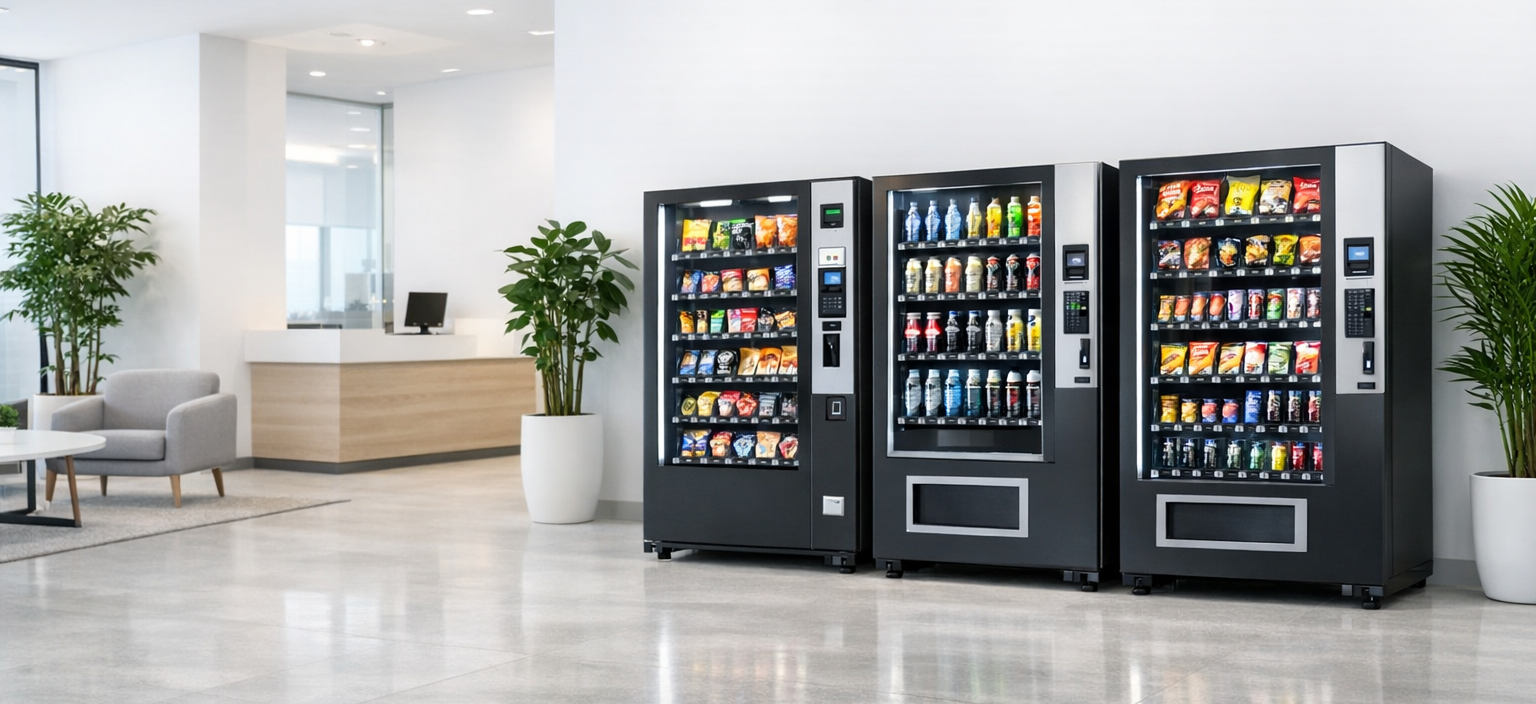
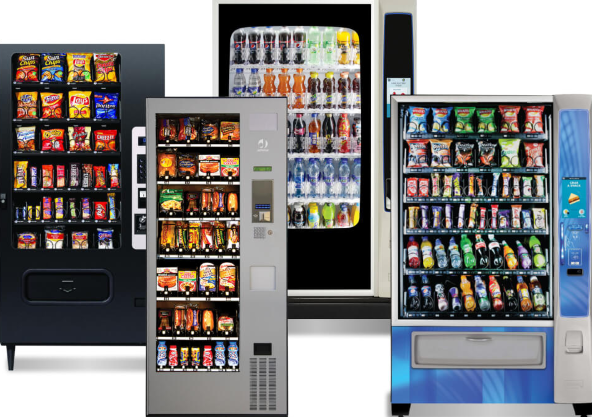
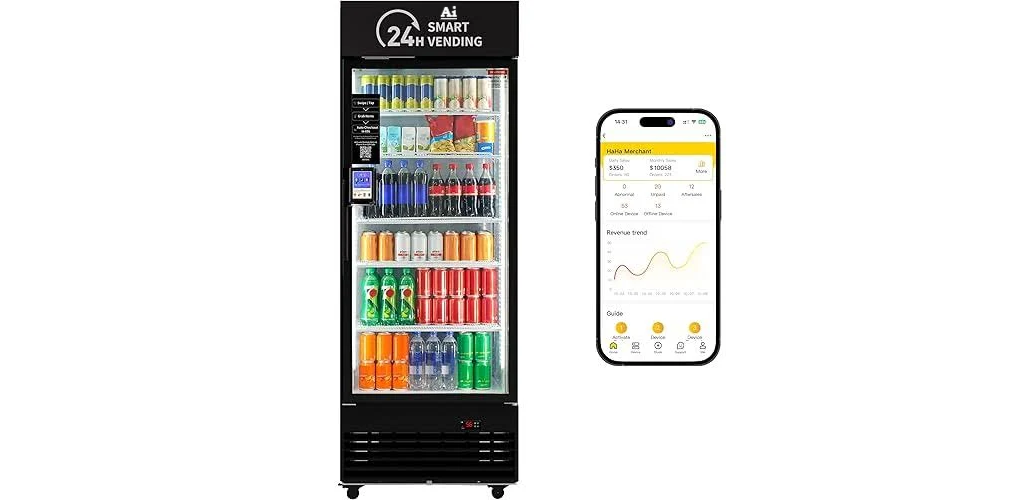
Rockhampton's workplace demand sits in a handful of clear precincts. Parkhurst and the northern industrial estates hold heavy vehicle, mining services and fabrication businesses. Gracemere carries the saleyards, meat processing and the transport operators that move cattle and freight along the Capricorn and Bruce highways. Kawana and the Yaamba Road corridor carry trade suppliers, dealerships and service centres. The CBD and Quay Street hold professional offices, health services and government agencies, and the hospital and university add round-the-clock shift workers. Summer in Central Queensland is long and hot, so drink capacity matters more here than in a southern city: we carry more cold water, electrolytes and large-format drinks through the warmer months and keep refrigeration checked before the heat arrives. Processing plant crib rooms often want hot-food options and filling snacks for early starts. Office floors want coffee and lighter lines. We set every planogram from a site visit and then from live sales, and units are card and phone only, so there is no cash to count or secure. Installation, stock, servicing, repairs and removal all stay with us; the business provides a power point and floor space.
Three different Rockhampton amenity problems
Rockhampton is really three vending cases wearing one postcode. The processing case covers meat, cold chain and food manufacturing, where shifts start before 5am, hygiene rules govern where anything can be placed, and workers cannot casually wander off a line. The estate case covers Parkhurst and Gracemere engineering, transport and machinery businesses where the nearest food is a highway drive. The office case runs along East Street and the government and health precincts, where the demand curve is coffee, water and lighter snacks late morning. Same hardware, three quite different planograms, and we build them from your sales data rather than assumption.
Early starts and the cost of an empty kitchenette
A meat processing or cold storage site that starts at 4:30am has no realistic external option at all — nothing between Gracemere and Parkhurst is trading. What actually happens is that people either bring everything they need or go without, and the ones who go without leave site later in the shift, taking longer than a break should. On an eighty-person plant, even a handful of those unplanned trips a day is a meaningful payroll number over a month. The value of an on-site machine on those rosters is less about convenience than about removing the reason to leave the gate in the first place.
Install detail for Central Queensland sites
The practical requirements are small: a level floor, a ten-amp outlet within a couple of metres, mobile signal for telemetry, and a position clear of forklift and vehicle paths. What matters more in Rockhampton is thermal specification. Sheds here run hot for months, and a unit built for an air-conditioned foyer will struggle. We confirm ambient conditions, airflow and shade during the site check, place accordingly, and monitor cabinet temperature remotely afterwards. Insurance certificates to twenty million dollars are issued before the first delivery so procurement and induction paperwork is finished before the truck arrives.