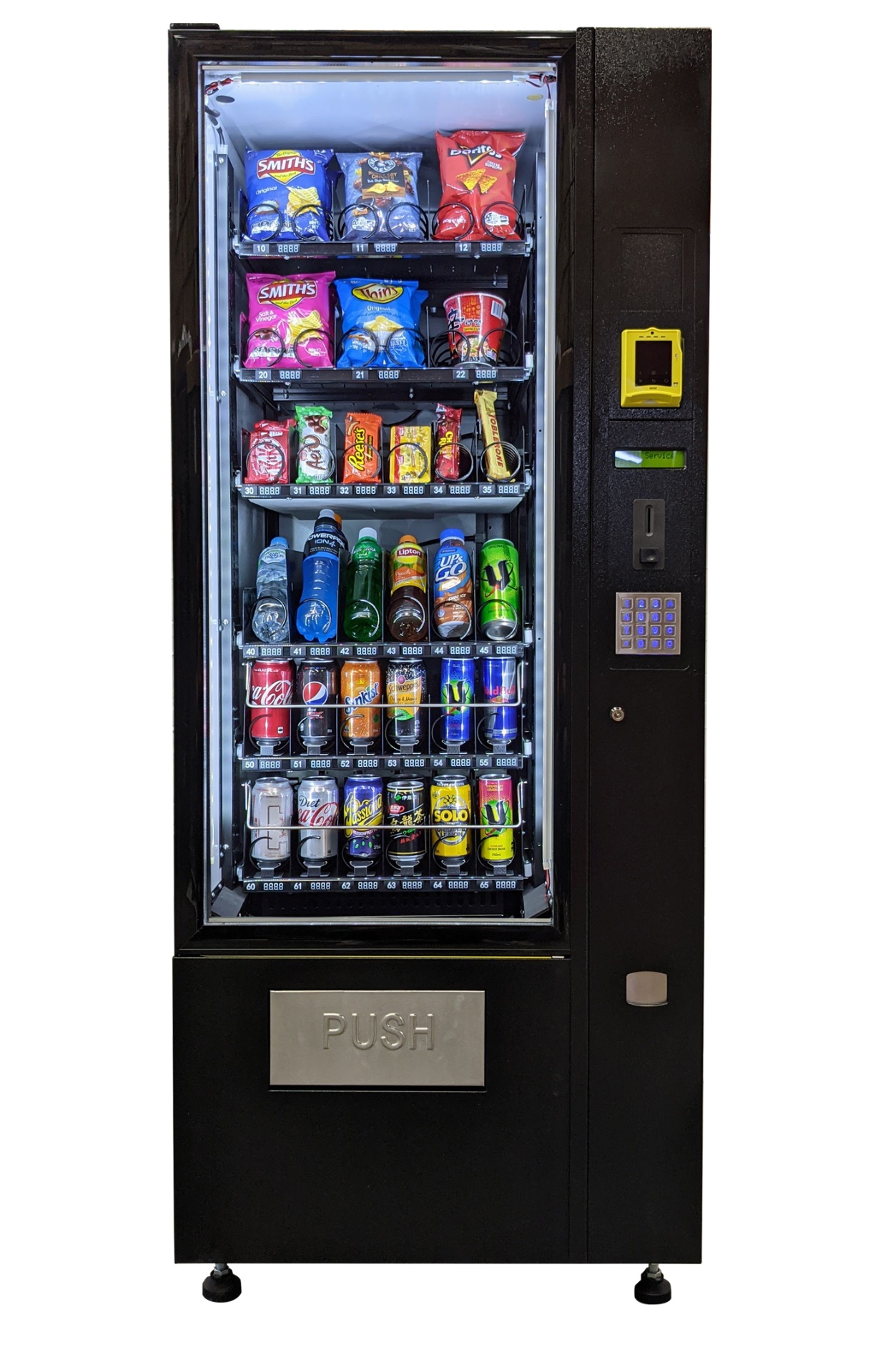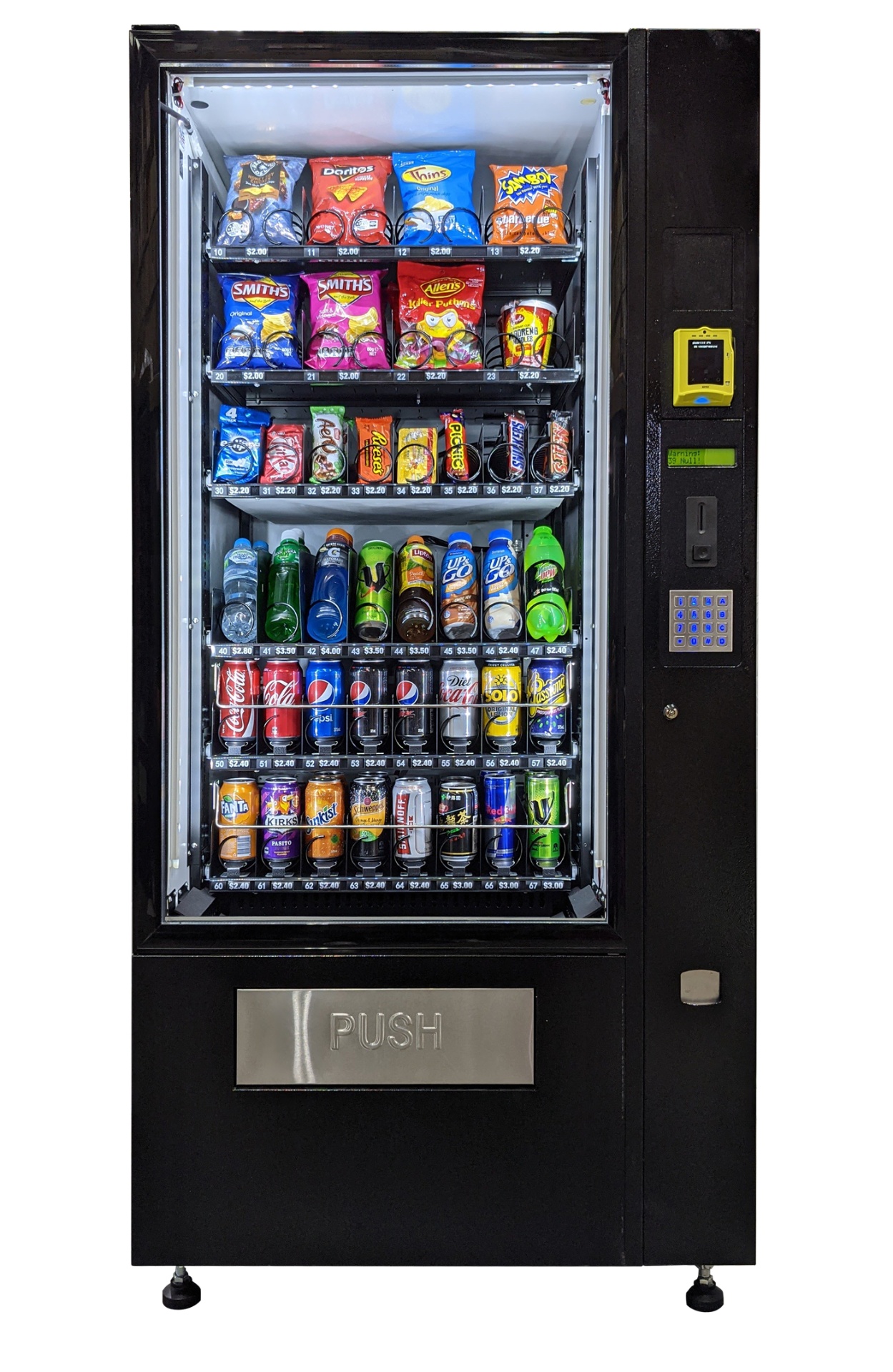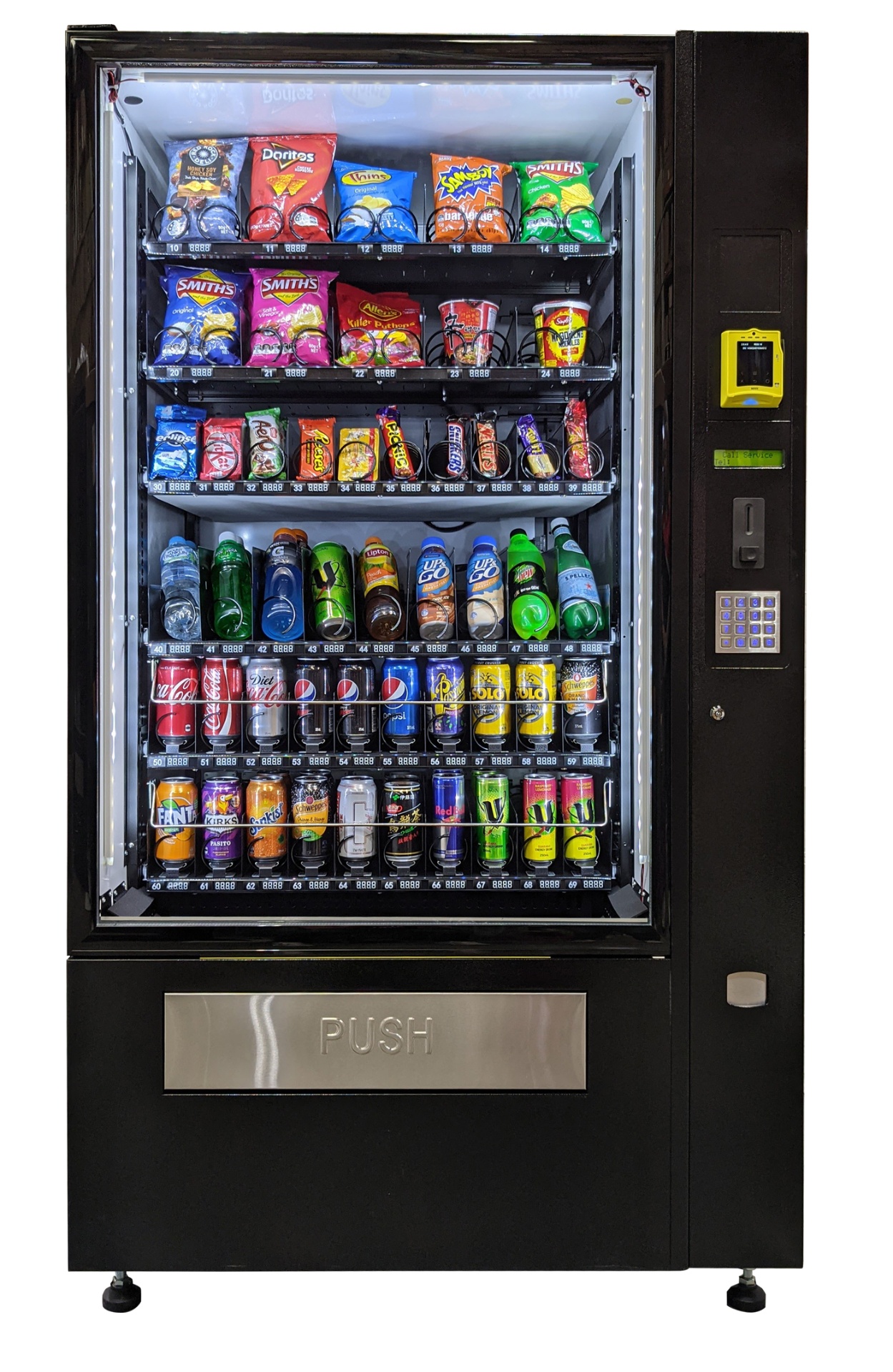
This page covers the practical side of summer hydration at work: what heat does to fluid needs, what Australian work health and safety duties actually require, how to stock a drink machine for a heatwave rather than an average day, and how to get a machine on site before the worst of the season rather than after it.
It is written for the person who has to solve the problem — a site manager, a facilities coordinator, a WHS officer — rather than for a procurement form.
Heat stress: a plain definition
Heat stress is the condition where the body cannot lose heat fast enough to keep its core temperature stable. At work it shows up first as reduced concentration, slower reaction time and irritability, and progresses to heat exhaustion and heat stroke. Fluid replacement, shade, rest breaks and airflow are the standard controls. Providing accessible cool drinking fluid is one of the simplest and most visible of those controls.
What Australian work health and safety duties say about heat
Under Australian model work health and safety law, employers have a duty to eliminate or minimise risks to health and safety so far as is reasonably practicable, and heat is one of those risks. Safe Work Australia guidance on working in heat lists access to cool drinking water and encouraging regular fluid intake among the basic controls, alongside rest breaks, shade, airflow and task scheduling.
A drink machine is not a substitute for drinking water — every site needs free potable water regardless. What it adds is the electrolyte and cold-drink options people actually reach for on a 38 degree afternoon, positioned where they already take their break, so the control is used rather than merely provided.
Check your own jurisdiction's regulator guidance for the wording that applies to you, and treat this section as an orientation rather than legal advice.
- Free potable water remains a baseline requirement on every site
- Cool drinks and electrolytes support fluid replacement during heavy work
- Placement matters: a control used at the break area beats one across the yard
- Record what you provide — it is evidence of a control being in place
Why drink vending demand spikes in an Australian summer
Cold drink sales in Australian workplaces are strongly seasonal. Across the sites we service, chilled drink volume through December, January and February typically runs well above the winter baseline, and the hotter the working environment, the sharper the difference. A climate-controlled office sees a moderate lift. A tin-roofed warehouse, a workshop, a distribution centre or an outdoor crew room sees a much larger one.
The reason is simple physiology rather than marketing. Work in heat increases fluid loss, and people replace fluid with whatever is closest. If the closest option is a service station five minutes away, staff leave site. If the closest option is a chilled machine in the lunchroom, they stay. That is why summer is the practical moment to install: the machine earns its place in the first fortnight and keeps people on site during the months when heat costs you the most productive time.
Stocking changes with the season too. Through summer we shift the planogram towards water, electrolyte and hydration drinks, sugar-free soft drink, iced coffee and iced tea, and we increase restock frequency so the coldest, fastest-moving lines never run out during a heatwave week. Telemetry in each machine reports stock levels remotely, so the restock is triggered by real sell-through rather than a fixed calendar visit.
- Water and electrolyte hydration weighted heavier from November to March
- Restock frequency lifted during declared heatwave periods
- Refrigeration set points checked before summer on every installed machine
- Sugar-free and low-sugar lines expanded for sites with health policies
How to stock a machine for a heatwave week
A heatwave changes the shape of demand, not just the volume. Water and electrolyte lines can double while confectionery-style drinks flatten, and the machine can empty its top-selling row in a day and a half. Stocking for the monthly average guarantees an empty row exactly when it matters most.
Our approach is to widen the fast lines before the heat arrives rather than restock after it. Telemetry shows which rows are draining, forecast heat triggers an early visit, and the planogram temporarily reallocates rows from slow categories to water and hydration. Sites that run 24 hours get an additional overnight-weighted load.
| Category | Mild week | Heatwave week |
|---|---|---|
| Chilled water | About a quarter of rows | Up to half of rows |
| Electrolyte and hydration | One row | Two or more rows |
| Sugar-free soft drink | Steady | Steady |
| Full-sugar soft drink | Steady | Reduced |
| Energy drinks | Steady | Steady, higher on night shift |
| Iced coffee and flavoured milk | Steady | Reduced in extreme heat |
The productivity cost of sending people off site for a cold drink
Every trip to a service station for a cold drink costs more than the drink. On a suburban industrial estate, a round trip is rarely under fifteen minutes once you count walking to the car, the queue and the walk back. Two people doing that twice a day, five days a week, is close to ten hours a fortnight of paid time spent buying drinks.
That is the arithmetic most sites recognise immediately. A machine in the lunchroom converts a fifteen-minute trip into a ninety-second walk. It also removes the vehicle movements, which several of our warehouse clients care about more than the time, because it takes forklift-adjacent car trips out of the yard during shift.
Getting a machine installed before the heat arrives
Install lead times lengthen through spring as sites move at the same time. In metropolitan areas we are typically seven to fourteen days from confirmation to a cold machine; in regional areas installs are grouped into monthly runs, so an enquiry in October is comfortable and an enquiry in late December often is not.
Before summer, every installed machine gets a refrigeration check: set points confirmed, condenser coils cleaned, door seals inspected and airflow clearance verified. A machine that cools well in September will struggle in February if the coils are packed with dust from a workshop environment.
What happens from enquiry to first cold drink
The process is deliberately short, because most sites want the machine in before the hot weather rather than after it.
- Step 1 — You send the enquiry with headcount, site type and location.
- Step 2 — We confirm eligibility, usually within one business day.
- Step 3 — A site check confirms the spot, the door width, the power point and the delivery path.
- Step 4 — Delivery and install, including power-up, cooling down and payment terminal activation.
- Step 5 — First stock load agreed with you, then telemetry-triggered restocks from there.
How to check this offer is genuine before you commit
A free machine sounds like it must have a catch, so it is reasonable to verify the offer before you sign anything. There is no lock-in contract, no rental line, no minimum spend and no exit fee. The program is funded entirely by product sales through the machine, which is why the placement has to make sense for both sides before we install.
Everything we claim is checkable. You can call the number on this page and speak to the person who will run your install. You can ask for the certificate of currency for our public liability cover before the machine arrives. You can ask for the names of comparable sites in your area and what their machine actually turns over. And you can end the arrangement and have the machine removed at no cost if it is not working for you.
- No contract, no rental, no minimum spend, no exit fee
- Certificate of currency for public liability provided on request
- Machine removed free of charge if the site changes its mind
- One named contact for your site, reachable by phone on 0401 662 678