The Toowoomba vending market
Toowoomba is not really one employment market — it is a ring of estates around a range-top city. Charlton and Wellcamp carry the freight and logistics weight now that the Toowoomba Bypass and Wellcamp Airport have pulled distribution west; Torrington and Harristown hold the older engineering, fabrication and truck-servicing sheds; Wilsonton and Glenvale run building supply, auto and trade services; and the Ruthven Street spine holds the professional, health and government offices. What links them is distance. A worker at a Charlton cold store or a Torrington workshop cannot walk anywhere for a coffee at 6am, so the break becomes a drive, and the drive is paid for out of payroll.
Toowoomba sites we see most often, and what each one stocks
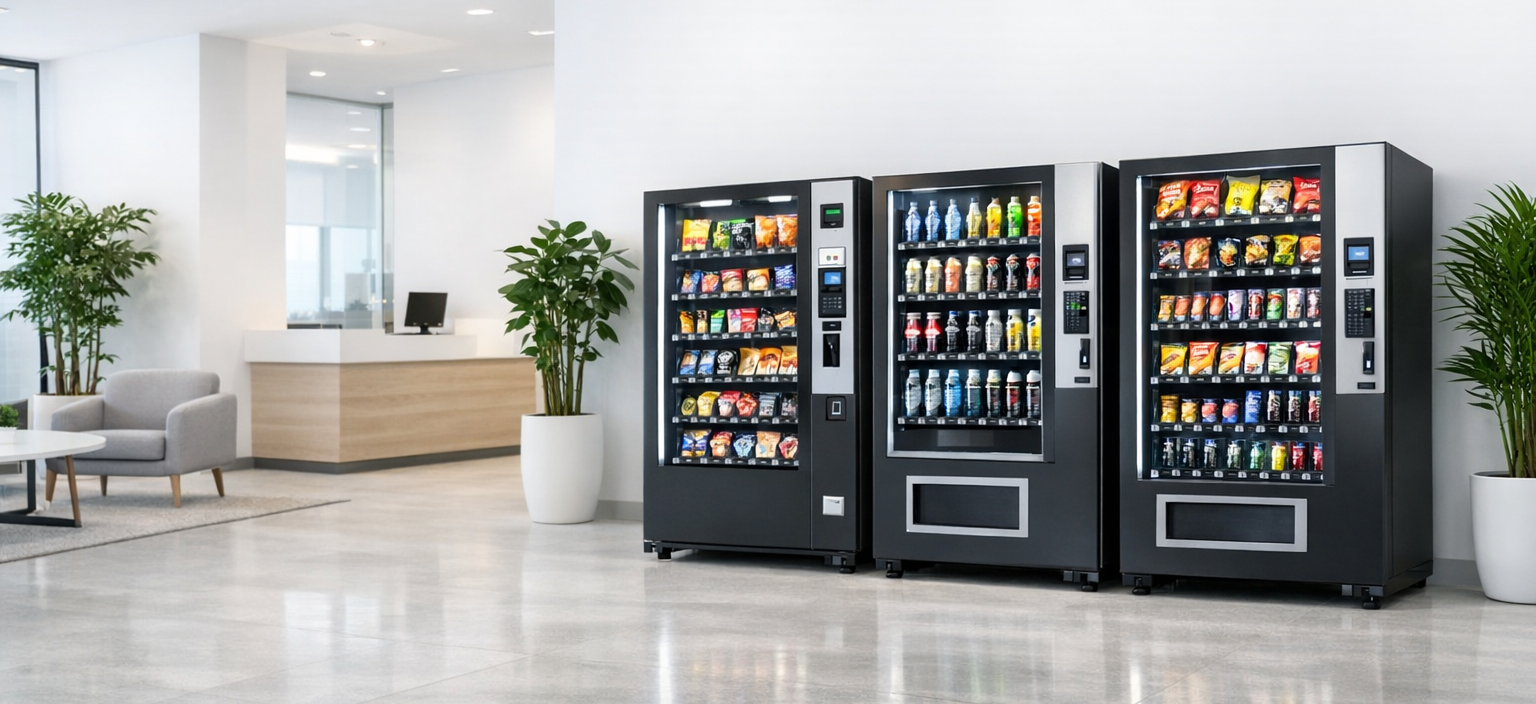
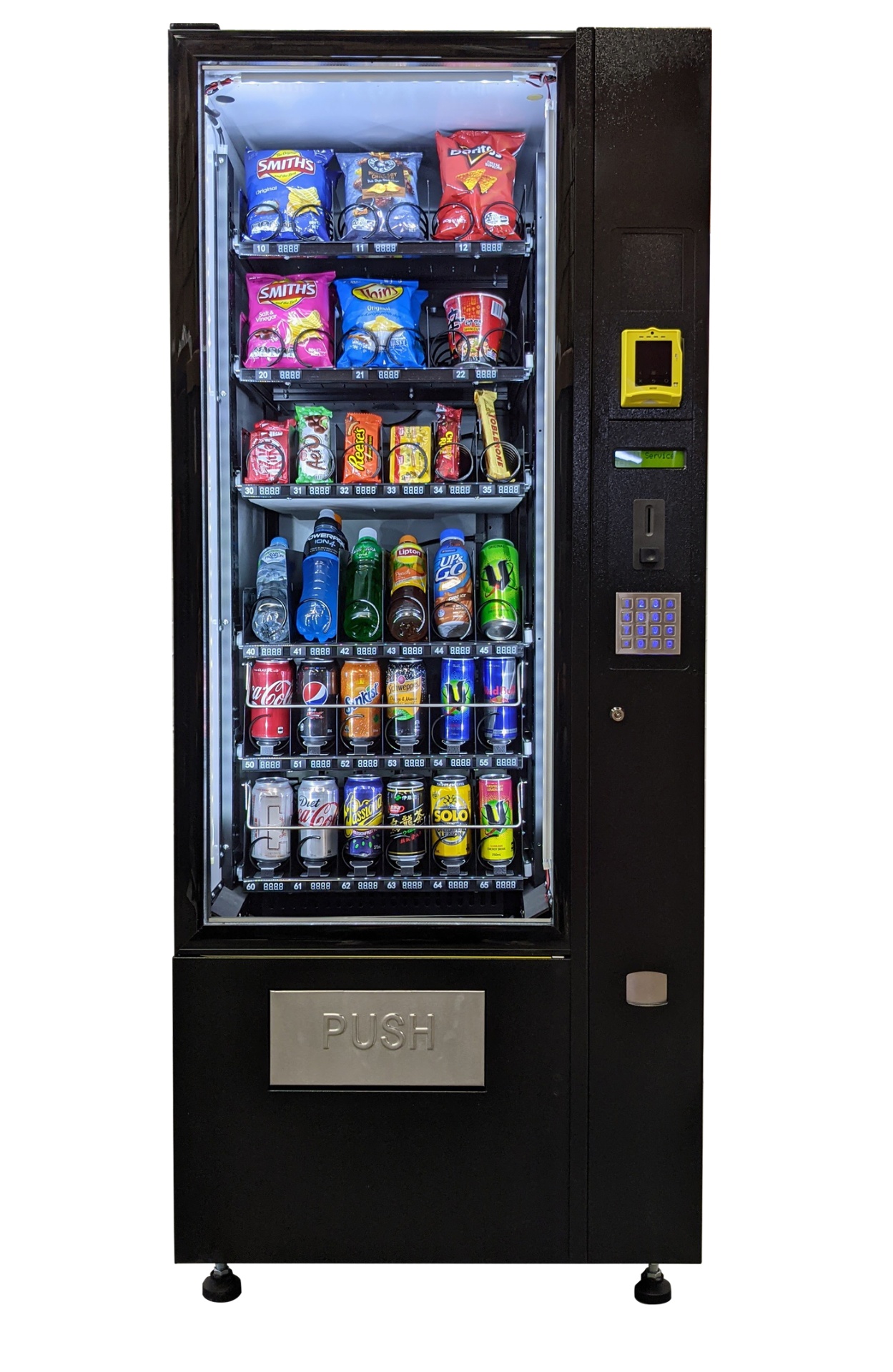
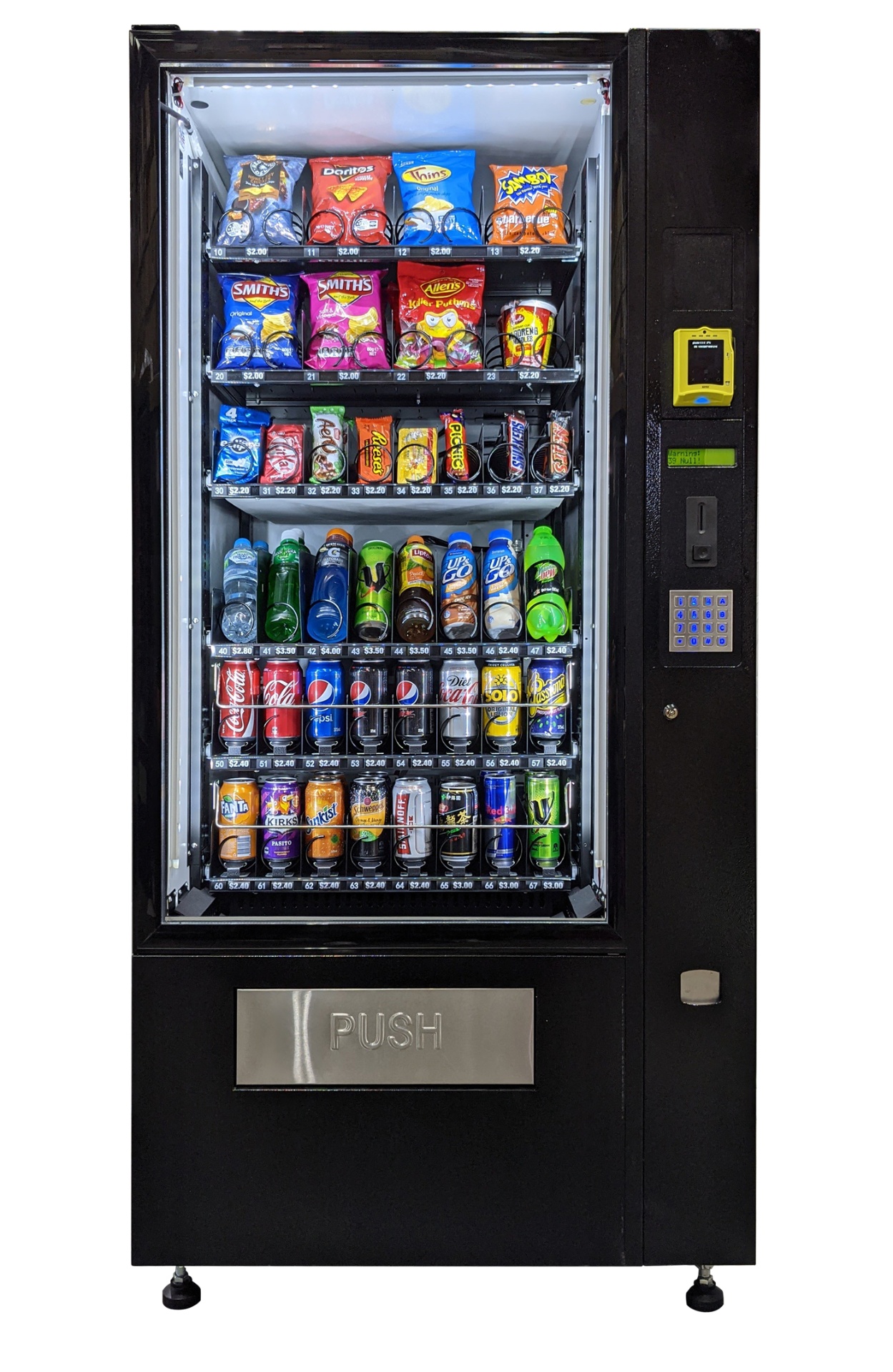
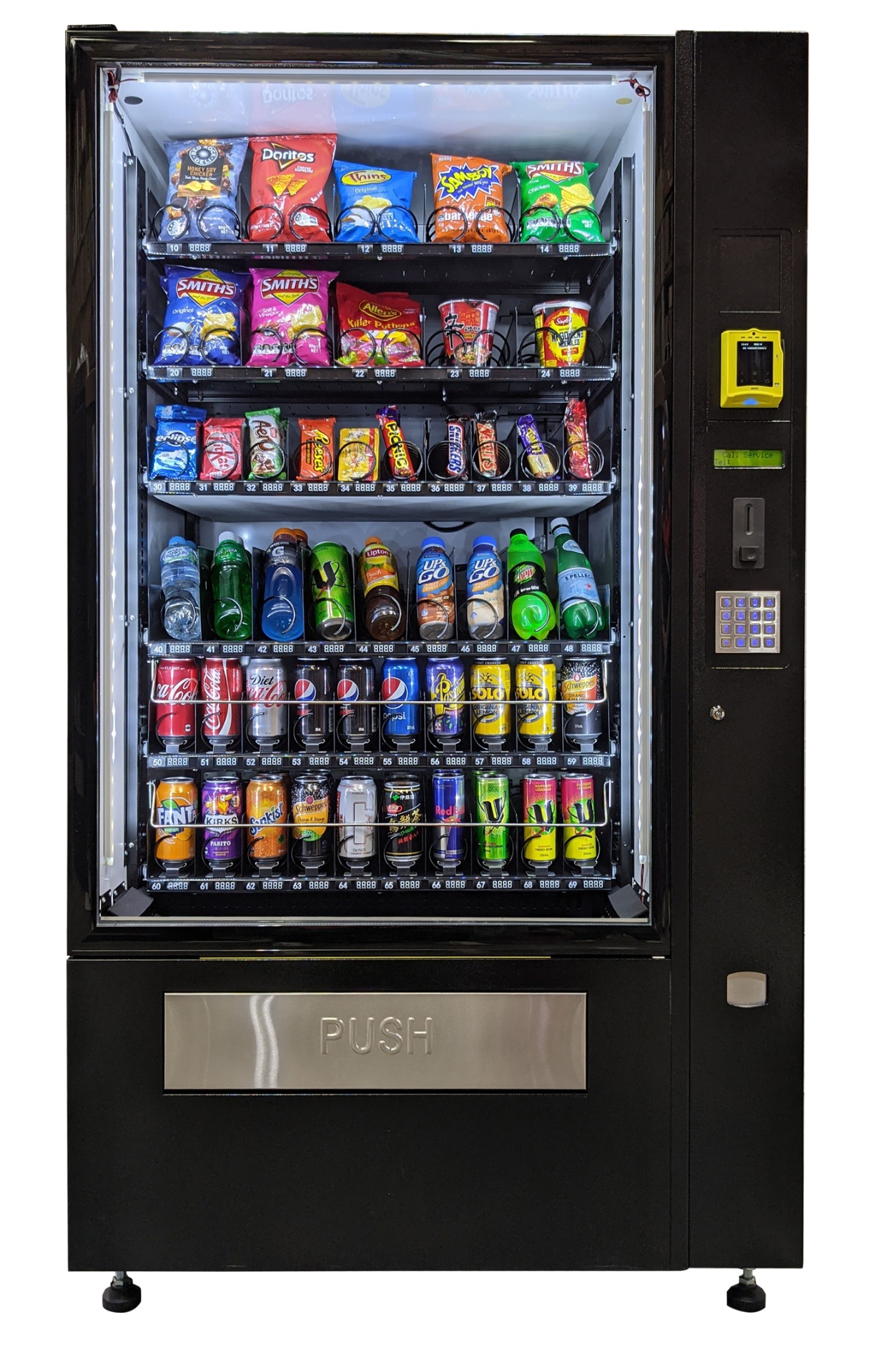
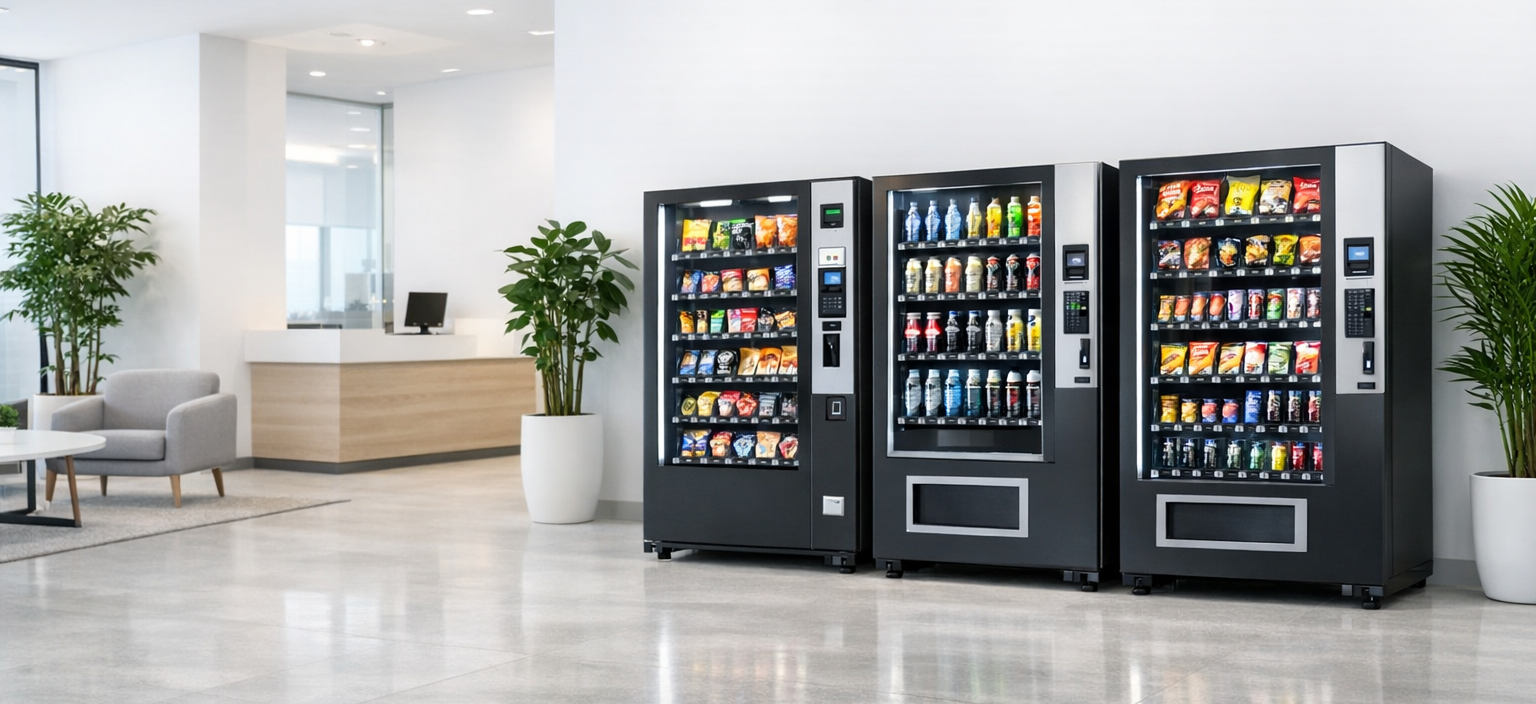
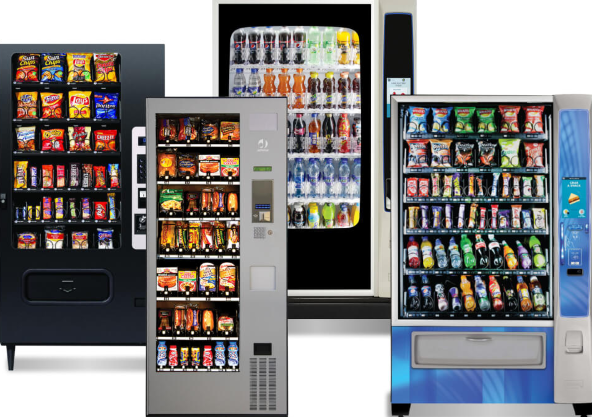
Across Toowoomba the enquiries cluster in a few places. Charlton and Wellcamp carry the freight, cold-chain and logistics depots that grew up around the Second Range Crossing and the Wellcamp airport precinct, where crews start before dawn and the nearest takeaway is a drive away. Torrington and Glenvale hold fabrication, truck repair and agricultural machinery workshops. The city centre and Ruthven Street carry professional offices, clinics and council-adjacent services, and the university and hospital campuses add shift workers who need food outside café hours. A Charlton depot usually runs cold water, sports drinks, energy drinks, pies and filled rolls. A Torrington workshop leans toward large-format soft drinks, protein snacks and noodles. A Ruthven Street office floor wants coffee pods, sparkling water, muesli bars and lighter options. We confirm the mix on a site visit, agree the lines with whoever runs the staff room, and adjust every few weeks once real sales data comes in, so stock that does not move is swapped out rather than left to expire. Pricing is set by us, matched to local servos and service stations, and staff pay by card or phone. The business pays nothing for the machine, installation, stock, servicing or removal.
Where a machine earns its place in Toowoomba
The rooms that work here are rarely front-of-house. They are the crib rooms inside Charlton cold stores and freight cross-docks, the drivers' rooms at transport operators running the Warrego and the New England, smoko huts in Torrington fabrication and truck repair sheds, parts-counter break rooms at agricultural and machinery dealers, staff rooms in food manufacturing plants, and the tea rooms of Ruthven Street accounting, engineering and health practices. Each of those rooms wants a different range. Freight crews want filling food and cold cans at 5am; workshop staff want volume drinks and something substantial mid-morning; office floors want coffee, water and lighter snacks. We set each planogram after a fortnight of live sales rather than copying a template from another town, and revise it whenever the mix drifts.
What a smoko drive actually costs on the Downs
Take a forty-person Charlton distribution site. If fifteen people drive out once a day, and the trip plus queue plus return averages eighteen minutes, that is 270 paid minutes gone daily — more than twenty hours of payroll a week spent fetching food. The number understates the damage, because loading bays stall, forklifts idle and outbound cut-offs slip when the crew is scattered. The point is not to shorten anyone's break; it is to remove the driving from it. Hosting a machine adds no rental line, no service invoice and no capital request, so the recovered time is not offset by a cost anywhere on the ledger.
Servicing Toowoomba, the range and the Downs
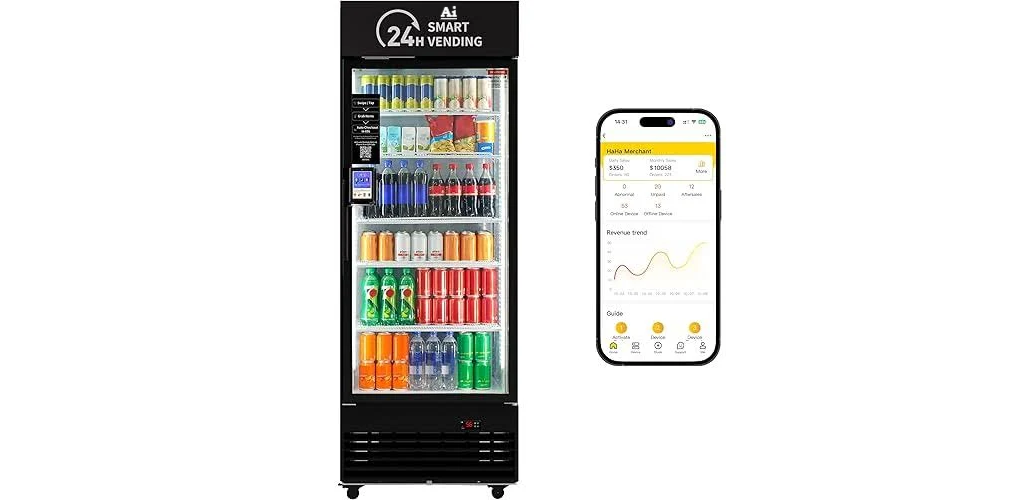
A regional round fails when it is just a thinned-out metro round. Toowoomba units carry depth matched to the interval between visits, with extra headroom for sites that run seasonal peaks — grain, cotton and abattoir cycles all move headcount around. Remote reporting shows which lines are moving so the driver arrives loaded for your machine specifically. Card and phone payment only means there is no float sitting in a Torrington shed overnight. Faults, refrigeration repairs and eventual pick-up are all ours, and the compliance paperwork — twenty million dollars of public liability plus product cover — is issued for your induction pack before the first delivery.