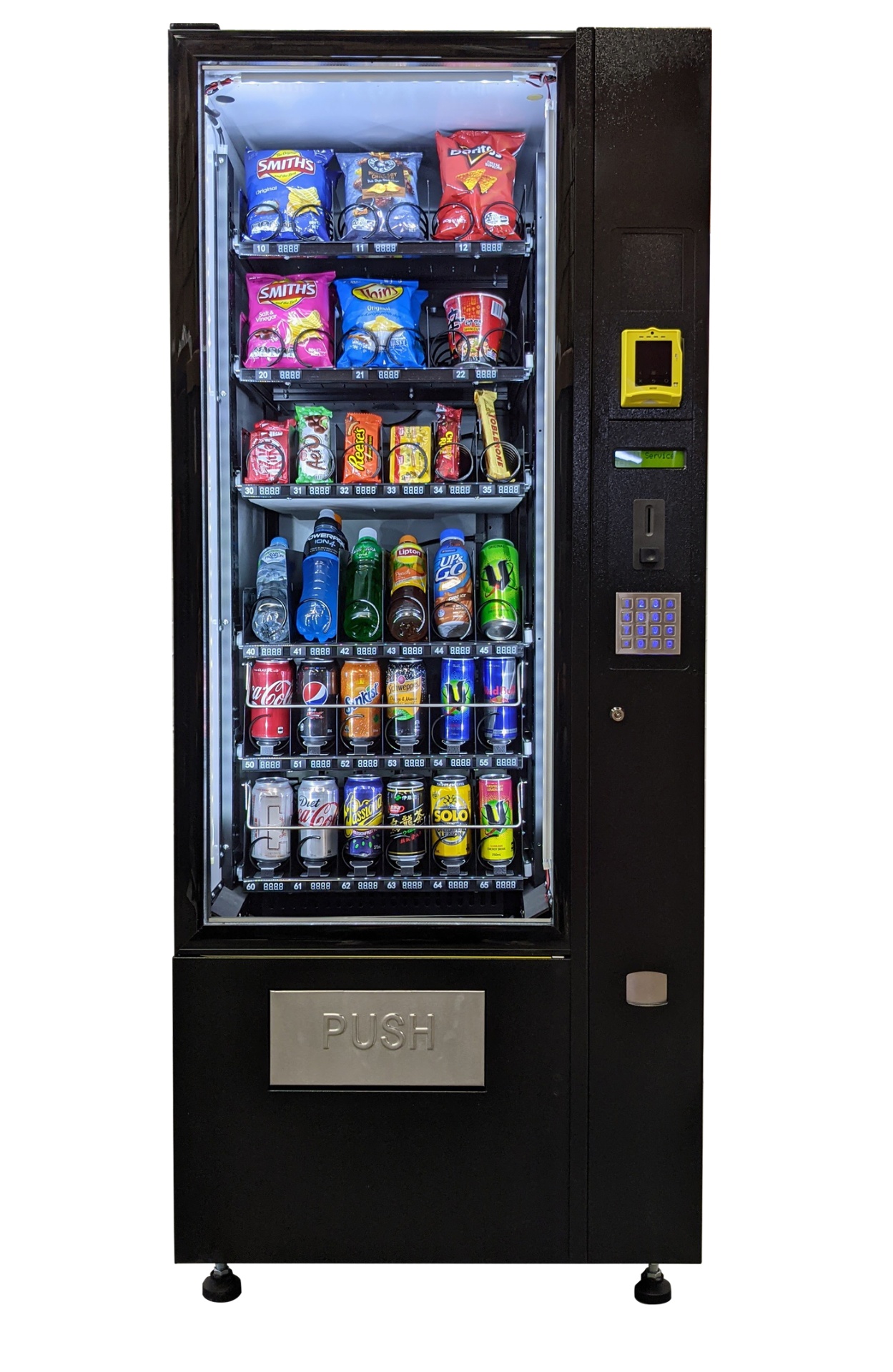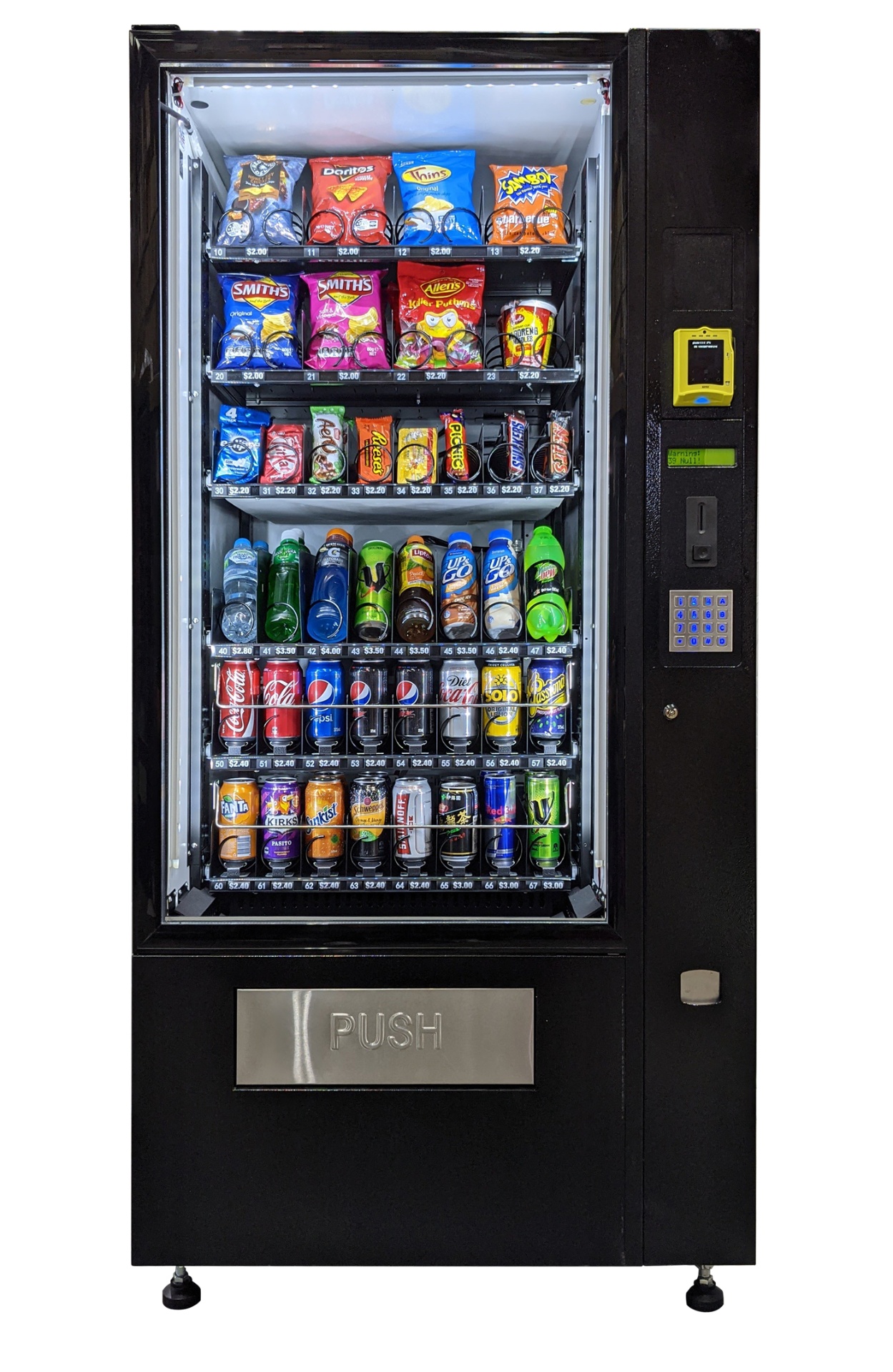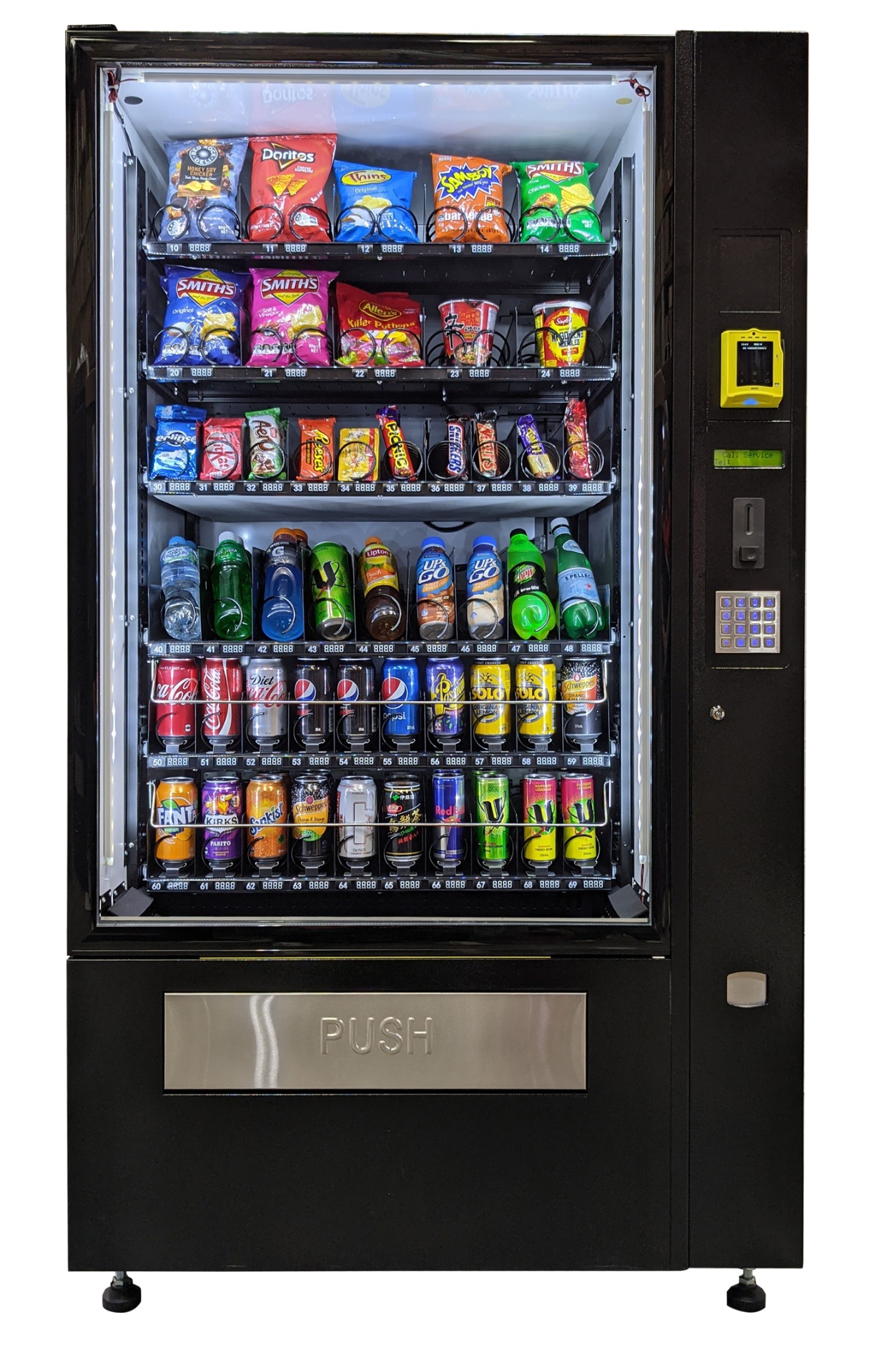
For a facility manager, the important decision is not just which cabinet looks right. It is whether the proposed service fits building access, contractor requirements, attendance patterns and the ongoing workload of the team. For a business owner, it is whether the arrangement provides a useful amenity without turning stock buying and equipment maintenance into another job. This page sets out the decisions to make before approving a workplace placement.
What is a managed workplace drink vending service? A plain definition
A managed workplace drink vending service combines a refrigerated drinks unit with operator-managed installation, product supply, restocking and maintenance. Under a free-placement arrangement the operator funds the service from drink purchases. The host provides agreed access, floor space and electricity, while employees or visitors pay for the drinks they choose.
A workplace service, not a machine purchase
The service begins with a placement assessment. Your business does not need to become a vending retailer to provide cold drinks: the operator owns the equipment and manages the product stock. This distinction matters when comparing proposals. A purchase quote covers an asset, while a managed-placement proposal needs to explain who will replenish it, who responds to a fault and what the host must provide throughout the arrangement.
Staff purchases fund the free-placement model. Free therefore refers to the equipment and managed service supplied to an eligible host, not unlimited free drinks or zero electricity use. Confirm the placement terms in writing and ask which responsibilities stay with your business. A site assessment is not a guarantee of approval; the location must be practical to install and service and have enough suitable demand for the arrangement to work.
Cold drinks and drink vending machines
Planning drink vending machines for your workplace
For facility managers and business owners, drink vending machines are a workplace amenity rather than simply another appliance. Start with the people using your workplace: employees, contractors and visitors, their shift times, and whether the lunchroom is accessible when nearby shops are closed. Give the assessor the typical attendance on each shift rather than the company's total payroll. A shared break area can have very different demand from several isolated buildings with the same overall headcount.
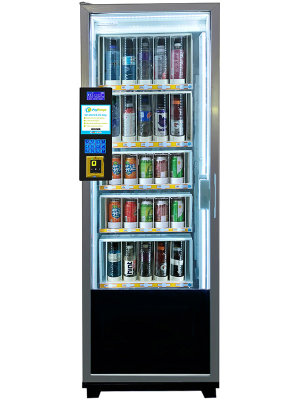
Before choosing a drink vending machine, confirm its exact dimensions, operating weight, door swing and ventilation clearances. The footprint of one unit is not the whole space requirement: users need room to approach the payment reader, collect drinks and pass safely. Restocking also needs clear access to the open cabinet. Record the delivery route from the unloading point, including doorways, lift dimensions and any changes in floor level. Do not choose a model from a photograph alone.
Power requirements belong to the selected drink vending machine, not the category in general. Ask for the model's electrical rating and connection requirements before delivery, and have your site confirm the proposed outlet is suitable. Electricity use varies with the refrigeration system, room temperature, opening hours and tariff. Obtain model-specific consumption information for your budget rather than treating a generic weekly estimate as a quote. Keep ventilation clear and agree who can isolate the supply during maintenance.
The final workplace assessment should also cover contractor inductions, delivery booking rules, security access, product preferences and the contact who reports a payment or cooling fault. Agree how stock visits fit around production, reception and restricted areas. Purchased bottled drinks complement staff amenities; a vending machine does not replace the employer's drinking-water access or heat-management responsibilities. Send the site postcode and these practical details with your enquiry so the proposal reflects the building and the people who will actually use it.
| Decision | Confirm before installation |
|---|---|
| Demand | Attendance by shift, visitors, break locations and opening hours |
| One unit's footprint | Model dimensions, door swing, user space and service clearances |
| Power | Selected model's rating, outlet suitability and consumption information |
| Access | Loading point, doorway and lift measurements, induction and delivery booking |
| Service | Stock preferences, access windows, fault contact and placement terms |
Drink vending machines for offices, warehouses and factories
An office may need a compact product range for employees and visiting clients, with deliveries arranged around reception and lift access. A warehouse may have separate early, afternoon and night crews sharing an amenities block. A factory may restrict contractor movement during production or require additional induction steps. Explain those differences in the enquiry instead of assuming every workplace has the same installation and stocking needs.
Consider where people already take their breaks. A convenient common area can be more useful than an impressive entrance that the main workforce rarely uses. Keep the unit away from emergency routes, production traffic and unsuitable outdoor exposure. If there are several buildings, describe how users move between them before requesting multiple machines. The assessment should establish the appropriate arrangement rather than promising a fixed number of units from headcount alone.
Choose the drink range around your people
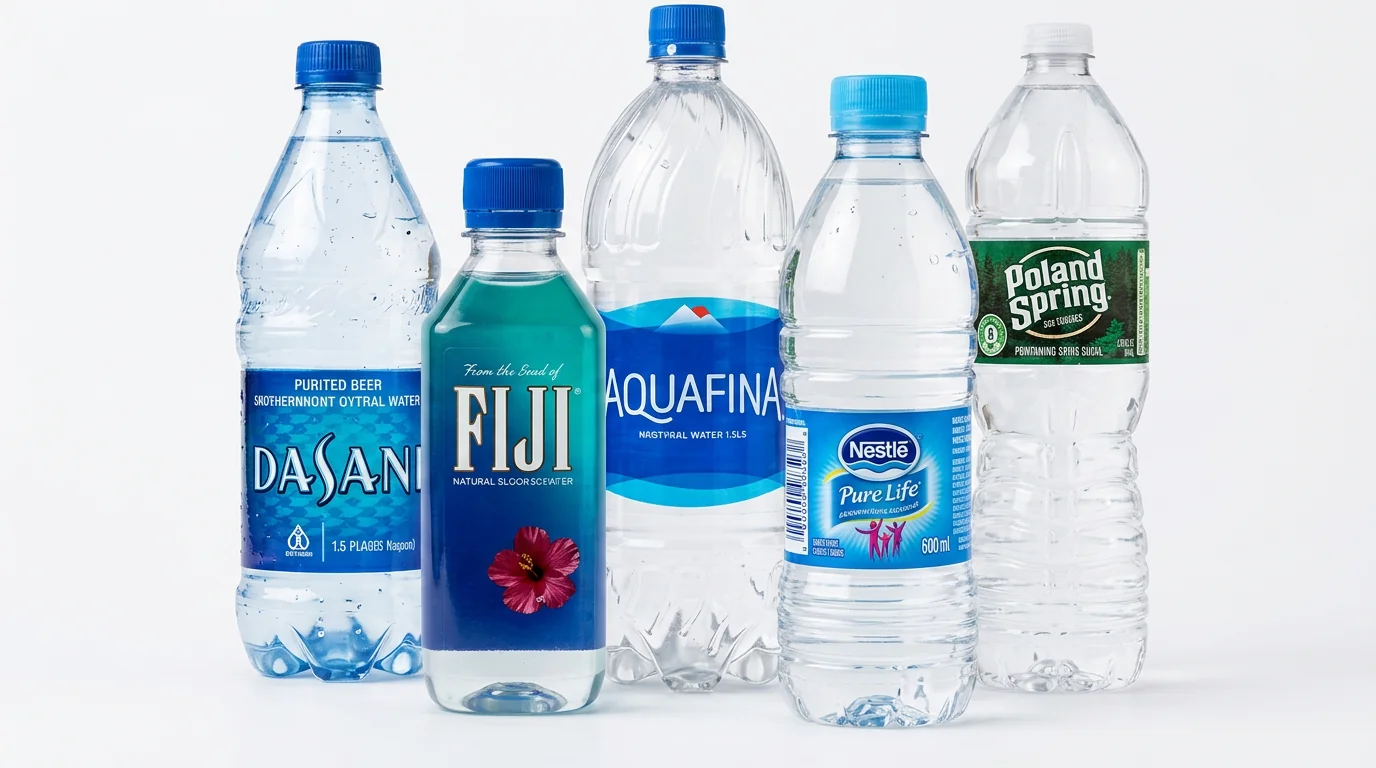
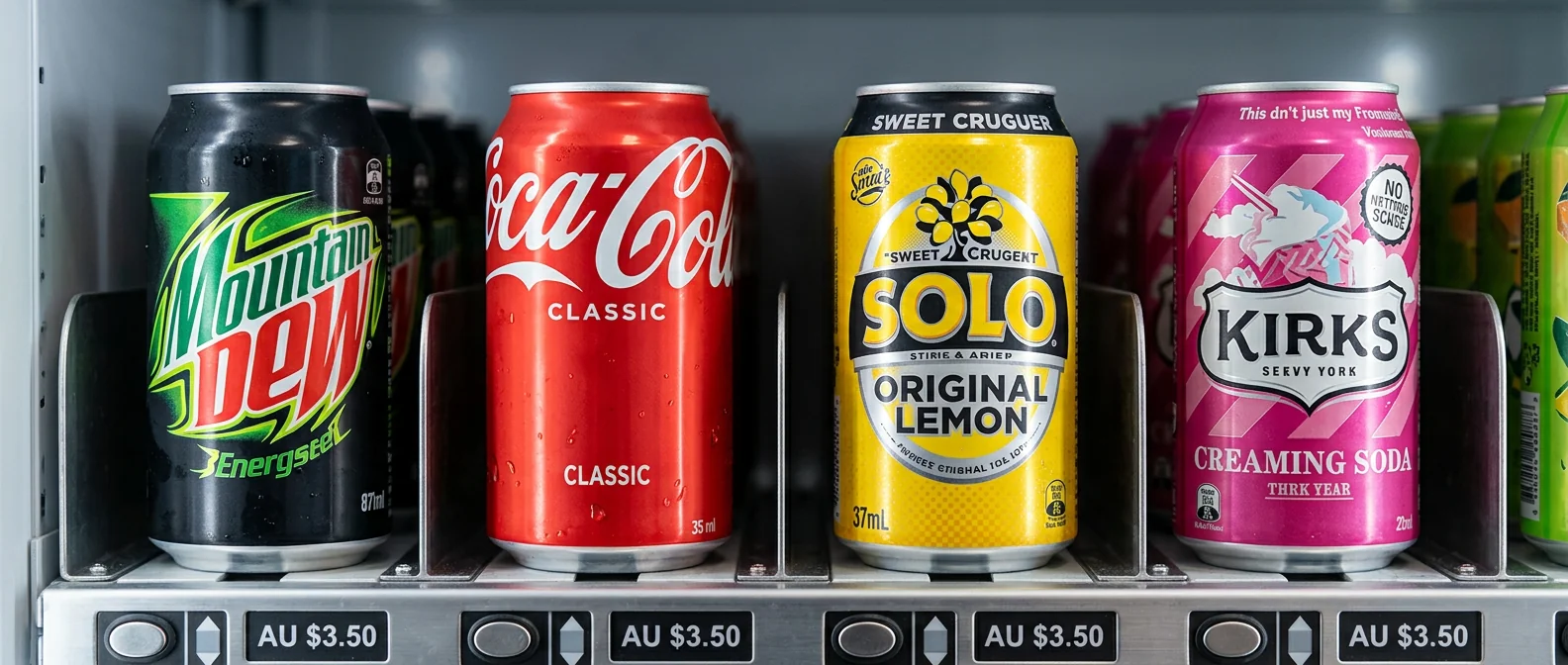
Use the categories below as a discussion list, not a guaranteed inventory. Tell us whether your workplace prefers water, sugar-free options, iced coffee or other chilled drinks, and whether any categories should be excluded. A wellbeing policy or restricted product list needs to be agreed before the first stock load. Product sizes also affect how a drink vending machine is configured, so capacity should be checked against the proposed bottles and cans rather than a headline maximum.
Review the range after staff have used it. Actual purchases can help identify slow-moving selections and products that need more space, but preferences should not be inferred from a postcode or industry alone. Prices and availability should be confirmed for the proposed range. If the business wants to subsidise staff drinks, raise that separately so it is not confused with the standard model in which each user pays for their purchase.
| Category | Examples | Best suited to |
|---|---|---|
| Chilled water | Still and sparkling bottled water | Every site — the top seller in hot months |
| Electrolyte and hydration | Electrolyte drinks and hydration formulas | Warehouses, workshops, outdoor and trade crews |
| Soft drink | Full-sugar and sugar-free cans and bottles | Offices, lunchrooms, reception areas |
| Energy drinks | Standard and sugar-free energy cans | Night shift, logistics, gyms, 24/7 sites |
| Iced coffee and flavoured milk | Chilled coffee and milk-based drinks | Early-start sites and morning smoko |
| Juice and iced tea | Fruit juice, iced tea, low-sugar options | Sites with wellbeing or health policies |
Costs and responsibilities for the host business
The free-placement offer separates operator costs from host responsibilities. The machine, delivery, installation, stock and managed servicing sit with the operator under the agreed placement. Your site provides electricity and usable floor space. The table is a starting point for approval; request the selected model's consumption information and check your own tariff to estimate the electricity line accurately.
A facilities approval should record more than a price. Keep the agreed position, service contact, access process and placement terms alongside the contractor documents your site requires. Ask for current insurance documentation rather than relying on a website statement as evidence. Make sure reception, security and the person responsible for the lunchroom know how authorised stock and service visits will be handled.
| Item | Who pays | Cost to your site |
|---|---|---|
| Cold drink machine or smart cooler | FreeVendingMachines.au | $0 |
| Delivery and positioning | FreeVendingMachines.au | $0 |
| Installation and commissioning | FreeVendingMachines.au | $0 |
| Restocking and product supply | FreeVendingMachines.au | $0 |
| Cleaning, servicing, refrigeration repairs | FreeVendingMachines.au | $0 |
| Public liability and equipment insurance | FreeVendingMachines.au | $0 |
| Cashless payment terminal and fees | FreeVendingMachines.au | $0 |
| Electricity to run the machine | Your site | Roughly $2–$4 a week |
| Floor space (about 0.5 m²) and a power point | Your site | $0 |
Restocking and maintenance without a staff stock run
Managed stocking means workplace staff do not need to buy cases of drinks, carry them through the building or rotate stock inside the machine. Agree when the operator can enter, which areas are restricted and whom to contact if a booked visit cannot proceed. Attendance changes, shutdown periods and new shifts should be communicated because they can change the amount of stock the site needs.
For maintenance, agree the reporting contact and the information needed to identify a problem. Useful details include the site, machine identification, affected selection and whether the issue involves payment, dispensing or refrigeration. Do not promise staff a fixed repair time unless it is confirmed in the service arrangement. The host should not attempt internal repairs; keep the area safe and report the issue through the agreed contact.
What happens from enquiry to first cold drink
The process is deliberately short, because most sites want the machine in before the hot weather rather than after it.
- Step 1 — You send the enquiry with headcount, site type and location.
- Step 2 — We confirm eligibility, usually within one business day.
- Step 3 — A site check confirms the spot, the door width, the power point and the delivery path.
- Step 4 — Delivery and install, including power-up, cooling down and payment terminal activation.
- Step 5 — First stock load agreed with you, then telemetry-triggered restocks from there.
How to check this offer is genuine before you commit
A free machine sounds like it must have a catch, so it is reasonable to verify the offer before you sign anything. There is no lock-in contract, no rental line, no minimum spend and no exit fee. The program is funded entirely by product sales through the machine, which is why the placement has to make sense for both sides before we install.
Everything we claim is checkable. You can call the number on this page and speak to the person who will run your install. You can ask for the certificate of currency for our public liability cover before the machine arrives. You can ask for the names of comparable sites in your area and what their machine actually turns over. And you can end the arrangement and have the machine removed at no cost if it is not working for you.
- No contract, no rental, no minimum spend, no exit fee
- Certificate of currency for public liability provided on request
- Machine removed free of charge if the site changes its mind
- One named contact for your site, reachable by phone on 0401 662 678
Request a proposal for your workplace and location
Send the site suburb and postcode, workplace type, typical attendance by shift and the proposed room. Add any doorway, lift, unloading or induction constraints you already know about. Photos and measurements of the intended position can make the assessment more useful, but final dimensions and power requirements must still be confirmed for the selected drink vending machine before delivery is booked.
Use the city pages below to explore the local workplace context, then request an assessment for your exact address. Metro and regional sites can have different service logistics, so availability and timing need to be confirmed rather than assumed from a nearby city page. The next step is a practical proposal for the building, users and access arrangements you have described—not an obligation to buy equipment.