Melbourne factory-belt local SEO guide
Melbourne factory-belt local SEO guide
Plan local search content for Melbourne’s western, northern and south-eastern industrial belts. Match each suburb page to the workplace question, use verified geography and build trust without invented offices or ranking promises.
What is factory-belt local seo?
Factory-belt local SEO is local search optimisation that connects industrial workplace questions with accurate suburb and precinct pages, supported by eligible business listings and genuine local evidence.
Last reviewed 19 October 2026
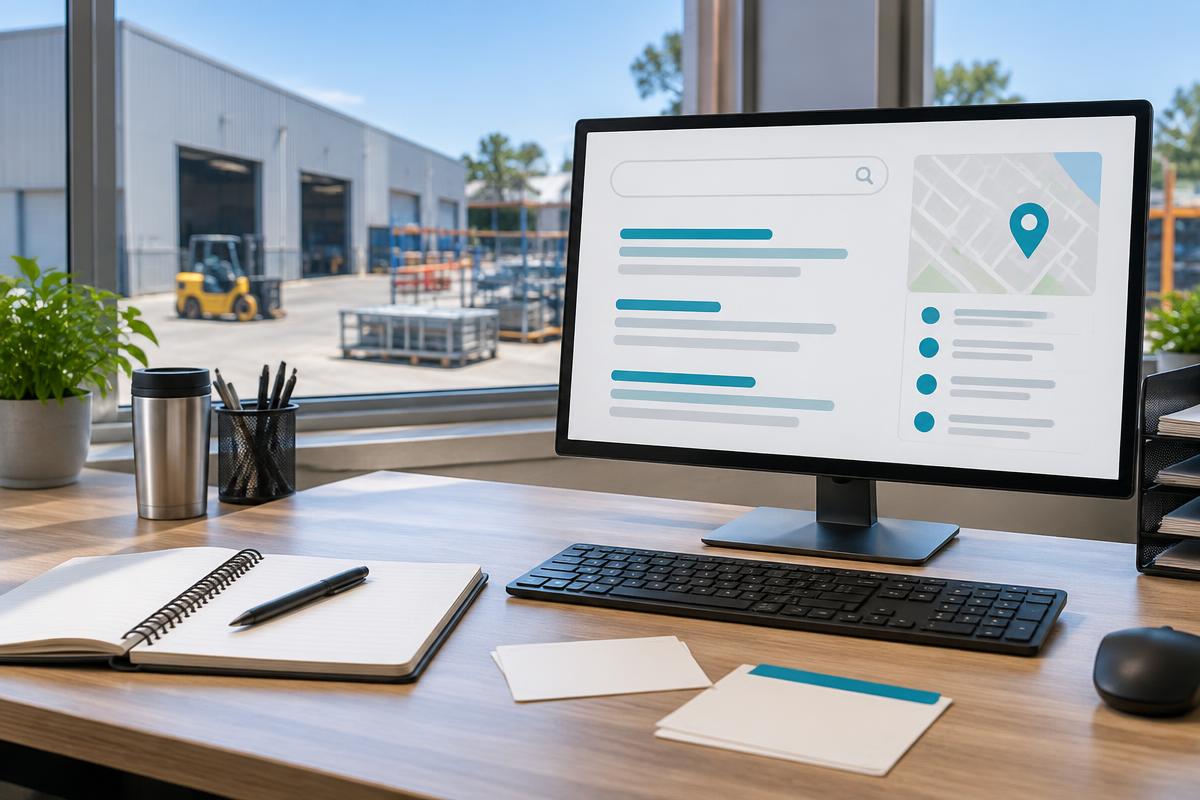
Three Melbourne industrial belts, three different customer questions
Melbourne industrial search is not one market. A Truganina distribution manager is comparing providers for a western warehouse, while a Dandenong South manufacturer may be assessing machines for a production floor. Campbellfield adds a northern manufacturing and trade-supply audience. Organise the website around those distinct places and job types rather than repeating a metropolitan sales pitch everywhere. A city hub should help readers reach the relevant local service page.
For the western corridor, discuss delivery access, distribution buildings and whether the machine is positioned beyond loading areas. For the south-east, explain the questions a production supervisor should ask about break-room location and access around production schedules. For the north, describe a workshop or supplier workplace where visitor and employee demand may differ. These are planning questions, not evidence of particular installations; only add a customer story after obtaining permission.
Melbourne precinct and postcode reference
Use this table to identify local research targets, not to claim an office or customer in each suburb. Postcodes are delivery-area references; check the exact address and current council planning information before publishing zoning or council-boundary claims. The source links below support the geographic context, while service promises need the operator’s own evidence.
| Suburb or precinct | Postcode | Research context |
|---|---|---|
| Truganina | 3029 | Western distribution and warehousing |
| Laverton North | 3026 | Freight depots and industrial supply |
| Derrimut | 3026 | Western manufacturing and logistics |
| Campbellfield | 3061 | Northern manufacturing and trade supply |
| Dandenong | 3175 | South-eastern industrial services |
| Dandenong South | 3175 | Manufacturing and distribution |
Shared postcodes do not mean identical Melbourne pages
Laverton North and Derrimut both use 3026, while Truganina uses 3029. Dandenong and Dandenong South share 3175. A postcode helps identify an address, but does not prove that two suburbs have identical businesses or search needs. Keep a separate page only when it answers a distinct local question with different evidence. Otherwise, consolidate overlapping coverage into a useful precinct page and link it clearly from the Melbourne hub.
Use the suburb in the title and mention the postcode naturally near the start of the content. Check the actual customer address before describing the council, zoning or industrial estate. A warehouse near a boundary may not sit in the municipality inferred from a suburb name. Council investment material is a starting point for research, not a substitute for the site assessment or evidence of your own coverage.
Melbourne link opportunities follow the industrial corridor
For western pages, investigate legitimate business participation opportunities through Wyndham and Brimbank. For a northern page, look for Hume-area business networks. For the south-east, research Greater Dandenong business events and industry networks. Membership, directory availability and eligibility must be checked directly; a council investment page is not an offer of a backlink. Record the organisation, relationship and reason a reader would find the reference useful.
A permitted host-site case study can be more useful than another generic directory listing. Explain the workplace problem, the agreed product range and the access arrangement using facts the host approves. Ask whether the host wants to reference that story on its own website. Never invent a named Melbourne customer, publish a logo without consent, or purchase keyword-heavy links merely to fill a monthly target.
Match a local service query before writing a title
Local SEO means helping a searcher find a real business that can serve the place they named. Start with the customer question rather than a list of keywords: does the page explain workplace vending in that suburb, the assessment process and the next step? A broad city guide and a suburb service page have different purposes. The guide teaches planning; the service page helps a host enquire about a site. Keep those purposes visible in the title and introduction.
Use one primary place and service in each title. A short title usually survives a search result better than a string of suburbs, but character counts are only a drafting guide. Google can rewrite a title and display widths vary. Put the service and suburb early, use a distinct H1 and avoid guarantees about rankings. Add the postcode in the introduction when it would make the title unnecessarily crowded.
Descriptions, local evidence and links work together
A meta description is a suggested search snippet, not a direct ranking guarantee. Write a concise statement of the service, relevant workplace audience and next step. Google may choose different page text for a particular query, so the body needs to answer the same question. Keep delivery dates, prices and servicing promises out of a draft unless the operator can support them. An accurate modest description is better than an attractive claim the enquiry team cannot honour.
A useful suburb page names verified precincts, explains site-assessment questions and links to genuinely relevant neighbours. Avoid repeating identical paragraphs beneath different place names. Search engines do not require a magic word count; our editorial standard is at least 990 useful words for a new page, with short sections and a plain definition. Use enough detail to answer the reader, not extra words added solely to reach a threshold.
Google Business Profile must represent an eligible real business
A service-area business visits or delivers to customers and does not receive them at its address. Google requires eligible in-person customer contact; online-only businesses and lead-generation businesses do not qualify. If customers are not served at the base, hide the address and set truthful service areas. An existing website about vending does not by itself establish eligibility, and publishing this guide does not create or verify a Business Profile.
Use the genuine trading name and the closest available category in the current Google category list. Do not create a listing for every suburb or use an unstaffed virtual office. Google permits up to 20 service areas and generally recommends coverage within about two hours of the base. These are Google guidelines, not evidence of our own depots. Separate genuine operating locations may qualify under the applicable rules; each needs evidence rather than a fabricated address.
Measure enquiries, not a promise of first-page rankings
Use Search Console to review which local queries produce impressions and clicks, then compare those visits with genuine enquiry submissions. A new page may take time to be crawled and indexed, and submitting a sitemap is not a ranking or indexing guarantee. Improve pages that attract the right audience but fail to answer its question. Record edits and the review date so the team can distinguish a useful change from ordinary fluctuations.
Review titles, contact details, neighbour links and profile information regularly. Ask genuine customers for honest feedback without incentives and protect their privacy when replying. Keep an evidence folder for permitted photos and claims. Local SEO is a repeatable accuracy and relevance process; it does not require invented branches, scraped reviews or purchased links. The companion city toolkit turns these checks into a practical publishing checklist.
Sources and verification
Official postcode, precinct and Google Business guidance. Check the exact site address and current eligibility before making a business claim.
Experience you can check
Who installs your machine in Australia, and exactly how it runs
Written and maintained by Dan Barnes — owner-operator, Free Vending Machines Australia
I have been placing and servicing vending equipment in Australian workplaces for over two decades — offices, warehouses, gyms, hospitals, schools, remote camps and government sites. Everything on this page reflects how we actually run installs across every state and territory: the machines we physically stock, the lead times our crews hold to, and the service standard we carry at our own cost. Nothing here is licensed boilerplate.
- Typical Australian lead time: 7–14 days from a qualified request to a working machine.
- $20 million public liability plus product liability — certificate of currency supplied to your facilities or WHS team on request.
- Australian-owned, Australian-serviced. Same operator answers the phone on0401 NO COST.
- Nayax cashless readers and live telemetry on every machine — not a retro-fitted coin mech.
What to expect, step by step
1. Two-question request
You tell us the workplace type and rough head count. No paperwork, no credit check, no sales visit required to get an answer.
2. Site check within 24 hours
We confirm head count, foot traffic, power location and access (lifts, stairs, loading dock, after-hours security) and pick the right machine.
3. Delivery and install
Our crew delivers, levels and commissions the machine, tests the cashless reader end-to-end and takes the packaging away. Nothing is invoiced.
4. Telemetry goes live
Every vend, temperature reading and fault code streams back to us. Low stock is flagged 2–3 days before a row empties.
5. Ongoing service, still $0
Restocks, cleaning, repairs, parts, product-mix changes and $20m public liability are all carried by us. Ask us to remove it and we do — no exit fee.
The exact machines we install
These are our three workhorse combination machines — photographed as they leave our workshop, stocked with the Australian brands your team actually buys. We recommend one based on your head count and floor space, never on what happens to be in the truck.
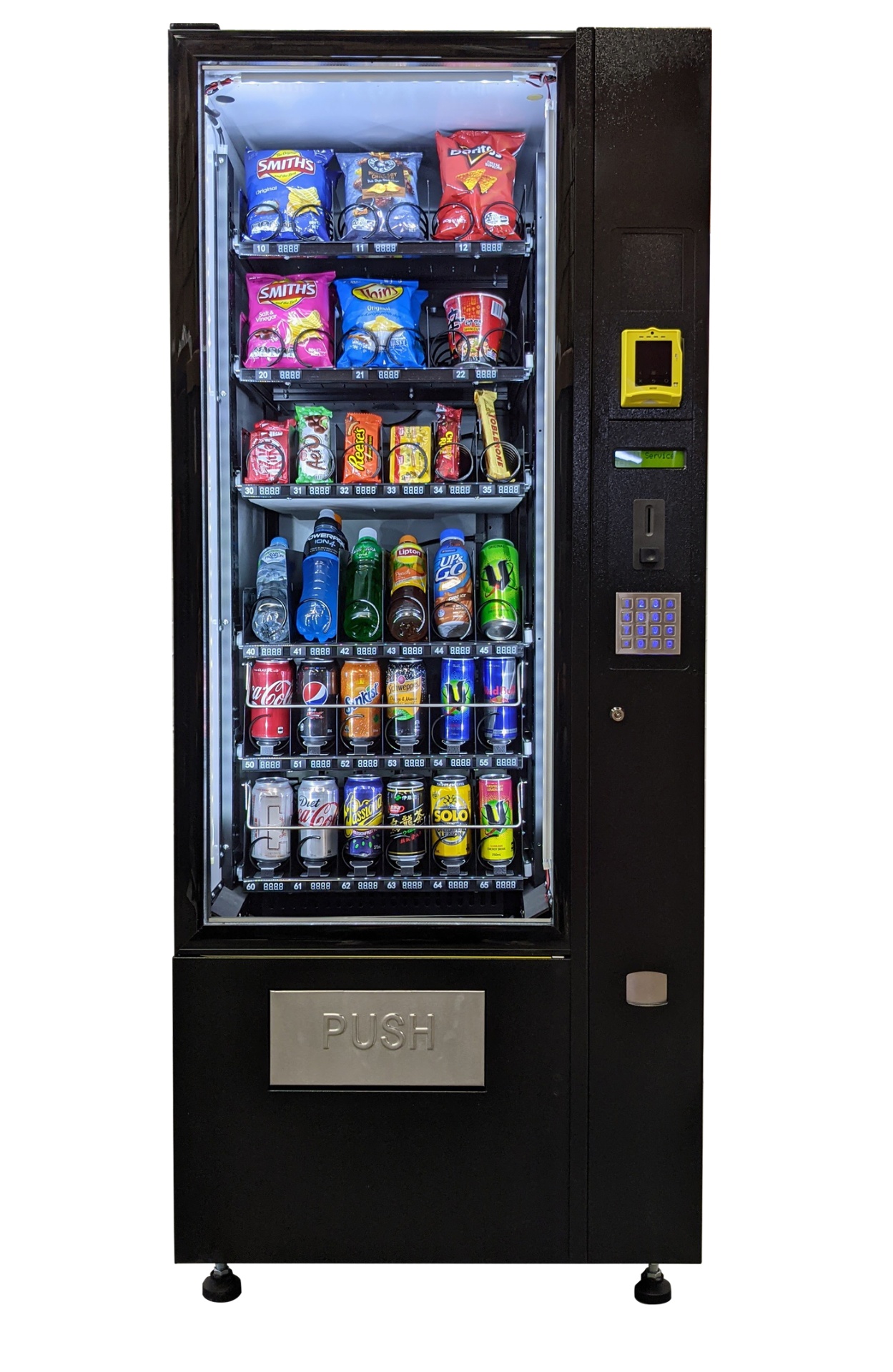
CV3 combo — slimline snack & drink
890mm wide · 1830mm high · 830mm deep
- Best for 15–40 staff, tight lift lobbies and narrow doorways to lunchrooms
- 6 shelves: 2 crisps, 1 confectionery, 3 refrigerated drink rows
- Nayax tap reader — Visa, Mastercard, Amex, Apple Pay, Google Pay
- Standard 10-amp GPO, no plumbing, no data cabling
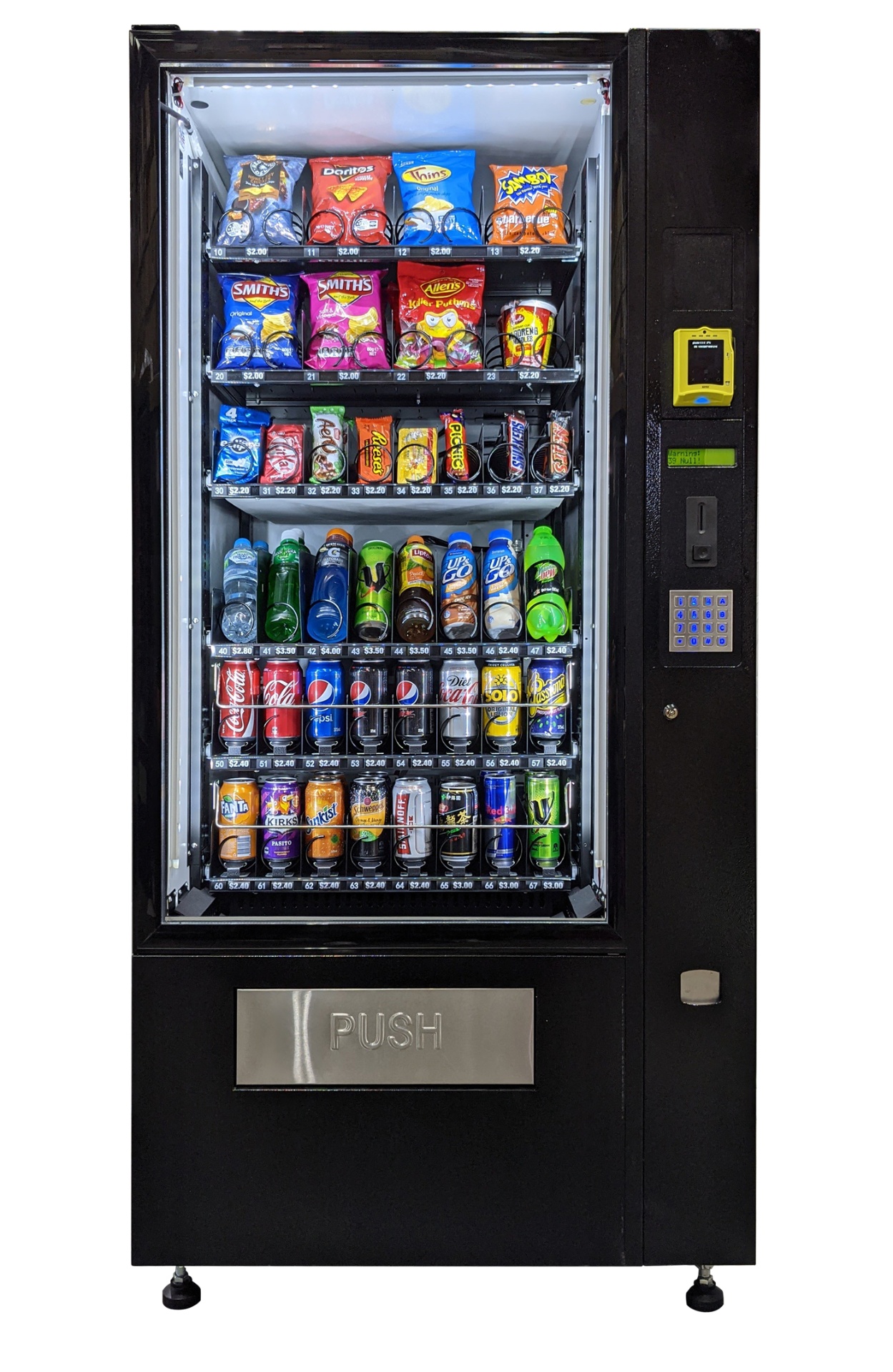
CV4 combo — mid-size with priced shelf labels
1000mm wide · 1830mm high · 830mm deep
- Best for 40–90 staff or a shared floor between two tenancies
- Live per-shelf pricing labels so staff see the cost before selecting
- Wider drink bays for 600ml bottles, iced coffee and energy cans
- Telemetry reports each vend, so restocks are scheduled on real data
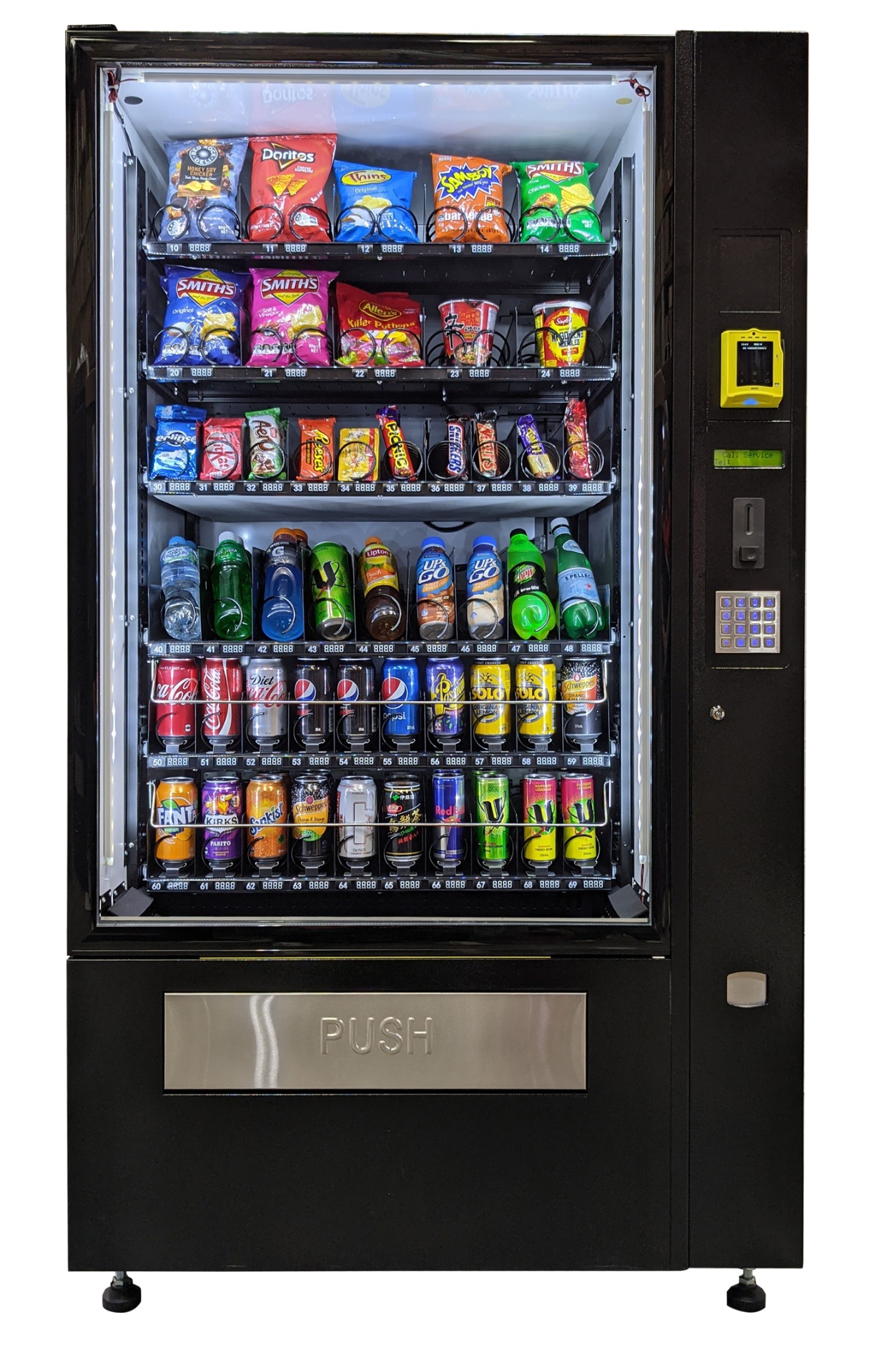
CV5 combo — high-capacity site machine
1200mm wide · 1830mm high · 880mm deep
- Best for 90+ staff, 24/7 shift sites, warehouses and gyms
- Up to 60 selections — the widest range we can put on one footprint
- Reinforced glass and hardened electronics for industrial floors
- Twin-bank refrigeration keeps drinks cold through summer peaks
FAQ
Frequently asked questions
Does every Melbourne suburb need a Google Business listing?+
No. A suburb page does not justify another listing. Use an eligible real business location and truthful service areas; never create profiles at unstaffed virtual offices.
Are the title and description counts exact Google limits?+
No. They are drafting ranges. Google uses available display width and may rewrite search titles or snippets for a query.
Do council source links mean a backlink is available?+
No. They verify local context. Directory access, memberships and any reference must be checked directly and reflect a genuine relationship.
What is a useful starting suburb for the Melbourne checker?+
Truganina 3029 is the provided draft example. Use a different place only when the page contains accurate information for that locality.
Grow your local presence
Free guides on local SEO, vending costs, ROI and business planning.
Ready for a free vending machine at your workplace?
Two quick questions and you're on your way. No contract lock-ins, no hidden fees.